"Quality exceeded expectations. Customers keep commenting on the packaging."
"Fast turnaround, zero errors. Perfect eco kraft boxes for our sustainable brand."
"Switched from a competitor — night and day difference in quality and service."
Product Boxes
At Custom Box USA, our custom product boxes are designed to fit your specific items perfectly while providing superior protection during transit and storage. We manufacture high-quality boxes using flexible cardboard, eco-friendly kraft paper, heavy-duty corrugated board, and luxurious rigid stock to safeguard your goods from damage. Beyond physical security, Custom Box USA helps build your brand identity by printing your logo, vivid colors, and artwork directly onto every box with optional finishes like foil stamping, embossing, and gloss lamination. Our precise custom sizing eliminates wasted interior space, cutting your shipping costs and preventing product movement. Whether you need a small batch of 50 boxes or a bulk wholesale order of 50,000 units, Custom Box USA delivers affordable, customized packaging solutions that stand out on store shelves, create an exciting unboxing experience, and drive repeat sales.
100% Print Quality Guarantee
Not satisfied? We reprint or refund — no questions asked, every order.
Configure & Quote
Choose box type, size, finish, and quantity. Fill our instant quote form — response within 2 hours.
Design
Upload your artwork or just share your logo. Our free design team builds print-ready artwork for you.
Payment Process
After approving our digital files and being satisfied, we process the project amount.
Production
After final file approval and payment, our expert production team gets to work immediately.
Delivery
We use trusted courier services like FedEx, Skynet, and DHL for fast, reliable delivery.
| Box Style | Mailer Box (Tuck-end / Auto-lock / Snap-lock) |
| Dimension | All Custom Sizes & Shapes |
| Minimum Order | No Minimum Order Required |
| Stock | E-Flute, B-Flute Corrugated, White Kraft, SBS Board (10pt–28pt) |
| Printing | No Print, CMYK, CMYK + 1 PMS, CMYK + 2 PMS |
| Finishing | Gloss, Matte, UV, Spot UV, Embossing, Foil Stamp, Soft Touch |
| Included | Die Cutting, Gluing, Scoring, Perforation |
| Additional | Eco-Friendly, Recycled, Biodegradable, Food-Safe |
| Proof | Flat View, 3D Mock-up, Physical Sample (on request) |
| Turnaround | 7 Business Days · RUSH 3–4 Days |
| Shipping | Free to all USA addresses |
| Certifications | FSC Certified · Recyclable · Food-Safe Available |
Instant Quote
Not sure about dimensions? Fill this and our team responds in 1 hours.
🎨 Free Design Consultation!
Our design team tests different layouts until you find the one that speaks to your brand — at zero cost on every order.
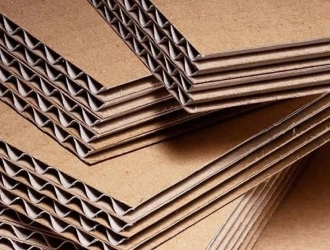
Cardboard
Minimal environmental impact, minimizes waste. Great for lightweight retail products.
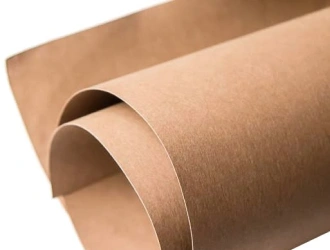
Kraft
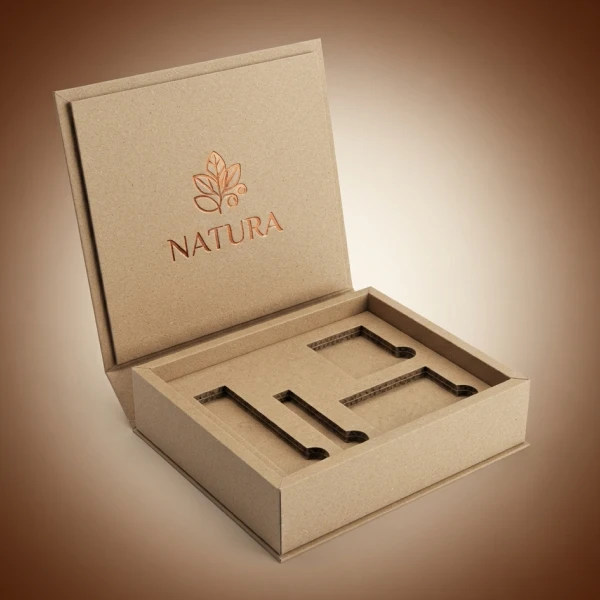
Strong, durable, and reliable. Widely used eco-friendly material across many industries.
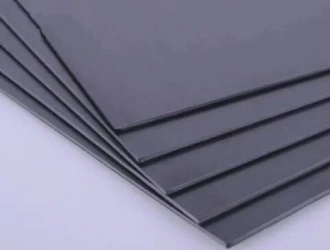
Rigid
Highly protective, affordable, and recyclable. Provides maximum protection for premium products.
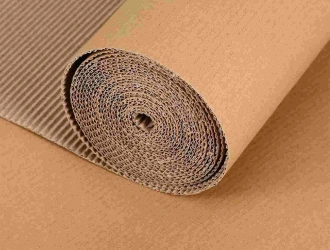
Corrugated
Easy to customize, cost-effective, and sustainable. Ideal for branding and shipping.
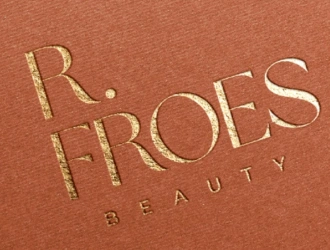
Foil Stamping
Gold, silver, or rose gold foil. Adds a luxury metallic effect.
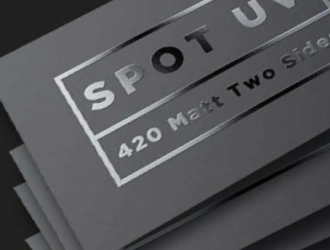
Spot UV
High-gloss UV on selective areas for a shine effect.
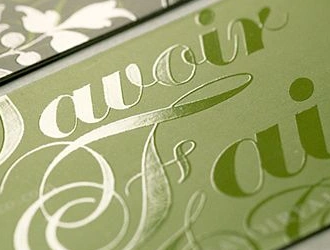
Gloss
Vibrant glossy finish increasing color brilliance.
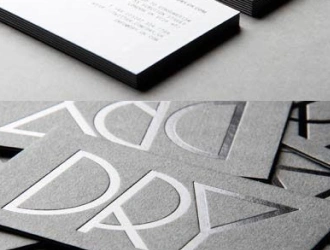
Matte
Premium velvety finish. Fingerprints less visible.
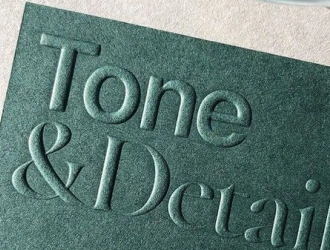
Embossing
Raised 3D texture. Transfers finest brand details.

Debossing
Pressed-in graphics create a unique tactile experience.

Soft Touch
Velvety soft-touch lamination adds texture and protection.

Holographic
Diffracts light to reveal rainbow colors at all angles.
Description
The Power of Custom Product Boxes: Why Packaging Matters
In today's competitive retail and e-commerce markets, custom product boxes serve as the crucial first physical point of contact between your brand and your customers. Plain, off-the-shelf packaging may get an item from point A to point B, but it fails to capture attention, communicate value, or leave a lasting impression. Custom packaging transforms a simple container into an active sales tool, ensuring your items fit securely while instantly standing out on crowded store shelves or during an exciting doorstep unboxing experience.
Investing in custom product boxes wholesale with Custom Box USA allows businesses of all sizes to access tailored, high-grade packaging solutions without exceeding their budgets. By selecting the right materials, structural box styles, printing options, and luxury finishes, you can effectively safeguard delicate goods while reinforcing your corporate identity. Custom packaging not only reduces shipping damage and transit costs through precise sizing, but it also builds immediate customer trust, boosts brand recognition, and drives repeat sales.
The True Cost of Generic Packaging vs. Custom Packaging
Many small business owners and retail managers start by purchasing stock boxes from shipping supply vendors. While stock boxes seem cheaper upfront, generic packaging often carries hidden costs that hurt your bottom line.
The Hidden Risks of Standard Boxes
Standard retail boxes come in set dimensions that rarely match the unique measurements of your product. Using a box that is too large means you are forced to fill empty space with excessive bubble wrap, packing peanuts, or tissue paper. This extra filler adds material costs, increases dimensional weight shipping fees, and creates messy waste for your customer to throw away.
Even worse, when items slide around inside an oversized box during transit, products can easily get dented, broken, or scratched. On the flip side, trying to squeeze a product into a box that is slightly too small puts pressure on the seams, causing crushed corners and split edges before the item even reaches the store shelf. Damaged goods lead to costly customer refunds, return shipping expenses, and lost trust.
How Custom Packaging Protects Your Bottom Line?
Custom product boxes eliminate structural mismatches by wrapping tightly around your exact item dimensions. When a box is designed specifically for your product's height, width, weight, and fragility, it absorbs external shock and keeps the contents secure.
Custom sizing also optimizes storage space in your warehouse and maximizes the number of units you can fit onto a shipping pallet. Over thousands of shipments, reducing wasted box space lowers your overall freight expenses substantially while virtually eliminating shipping damage.
Why Does Packaging Design Directly Impact Brand Value?
Packaging is no longer just a protective shell; it is a core component of modern marketing. The unboxing experience has become an essential touchpoint in consumer behavior. Every single day, thousands of unboxing videos are shared across video platforms and social media, serving as free promotional material for brands that invest in thoughtful packaging design.
Building Immediate Consumer Trust
When a customer receives a product wrapped in a thick, beautifully printed custom box, their subconscious mind registers quality. High-grade materials, sharp graphic printing, and precise structural folds signal that your business cares about quality in every detail. This initial trust reduces buyer remorse, justifies a higher price point for your product, and encourages customers to post about their experience online.
Creating Shelf Visibility in Retail Spaces
If you sell your goods on physical retail store shelves, your product is competing directly alongside dozens of alternative brands. Most generic retail boxes feature simple rectangular shapes and basic layouts that fade into the background.
Custom packaging lets you break away from boring store displays. You can experiment with unique cut-out display windows, non-standard geometric shapes, vibrant color combinations, and textured surfaces. An eye-catching design stops shoppers in their tracks, prompting them to pick up your package. Once a customer holds your box in their hands, the probability of a sale increases dramatically.
Exploring Packaging Materials: Finding the Right Balance of Strength and Style
Selecting the correct structural material is the most crucial decision in the box manufacturing process. The right raw material must handle the physical weight of your product, survive shipping environments, and present a clean surface for artwork. Here is an in-depth breakdown of the main material options available for custom box production.
Cardboard and Paperboard
Standard cardboard, often referred to as paperboard, is a versatile and cost-effective material widely used across retail industries. It is lightweight yet rigid enough to hold its shape on store shelves. Paperboard features a smooth, bleached white surface that takes full-color printing exceptionally well, allowing fine details and sharp graphic text to show clearly.
Cardboard is ideal for lightweight to medium-weight goods such as cosmetics, soaps, small electronic components, software, and packaged retail foods. Because cardboard is easy to cut, crease, and fold, it can be manufactured into virtually any traditional or custom box shape.
Eco-Friendly Kraft Paper
Kraft paperboard is made from natural unbleached wood pulp, giving it a characteristic brown, earthy appearance. Kraft material has grown rapidly in popularity as modern consumers prioritize eco-conscious purchasing decisions.
Kraft packaging communicates to your buyers that your company values sustainability and environmental responsibility. Despite its organic look, kraft paperboard is durable, tear-resistant, and recyclable. It is frequently used by organic food makers, handmade cosmetic lines, natural apparel brands, and eco-focused gift shops. While kraft paperboard works best with simple black or minimalist color printing, modern printing techniques allow for crisp full-color artwork directly on brown kraft backgrounds.
Premium Rigid Board
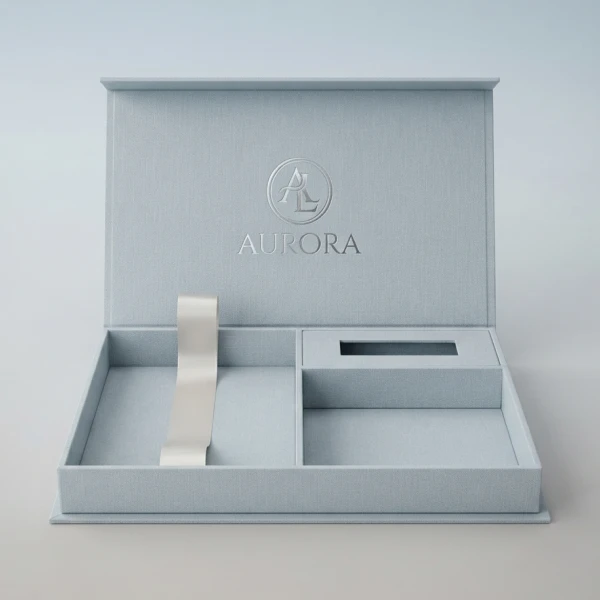
Rigid stock, also known as setup board, is a dense, thick paperboard material that does not fold or collapse like standard cardboard. If you have ever purchased a high-end smartphone or luxury piece of jewelry, you have experienced rigid box packaging. Rigid board offers unparalleled physical protection and gives your product a substantial, luxurious feel in the customer's hands. Because rigid boxes do not collapse flat, they require slightly more storage space and incur higher shipping costs during transit, but the premium branding value they deliver makes them the top choice for luxury gift sets, perfumes, high-value electronics, and designer items.
Corrugated Board for Heavy Goods and Shipping
Corrugated board is engineered specifically for maximum structural strength and shipping durability. It consists of an arched center layer (called fluting) sandwiched between two flat outer layers of linerboard. This fluted arch structure acts as a cushion against impacts, drops, and heavy stacking weight.
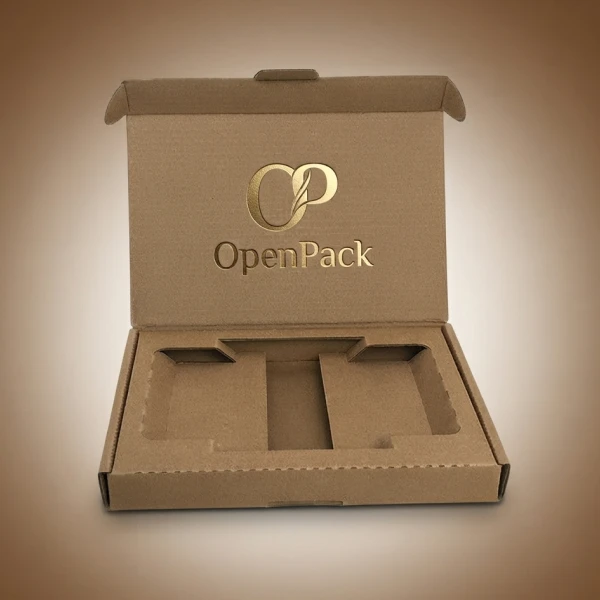
Corrugated boxes are essential for e-commerce brands sending products directly to customer doorsteps through parcel shipping services. They are available in various flute thicknesses (such as E-flute for lightweight mailers or B-flute for heavier transit packages), making corrugated material ideal for shipping boxes, heavy retail goods, subscription mailers, and fragile glass containers.
Popular Custom Box Structural Styles and Their Applications
The shape and opening mechanism of your box influence both how easy it is to pack your products during assembly and how pleasant it is for the customer to unbox them. Here are the most common structural box styles manufactured for retail and commercial use.
Standard Folding Cartons
Folding cartons are lightweight, paperboard-based boxes shipped to you completely flat. They are designed for high-speed manual or automated assembly, featuring top and bottom flaps that tuck securely into place. Folding cartons are widely used in retail environments for items like cereal, toothpaste, beauty creams, and small boxed gadgets. They offer a large, clean surface area for branding, product instructions, ingredient lists, and barcodes while taking up minimal warehouse space before assembly.
Straight-Tuck and Reverse-Tuck Cartons
Tuck-end boxes are variations of the folding carton family. A straight-tuck box has both top and bottom closure flaps folding toward the back of the box, creating a clean, seamless front display panel.
A reverse-tuck box features the top flap folding toward the back and the bottom flap folding toward the front. Reverse-tuck cartons are easy to manufacture, budget-friendly, and simple to assemble, making them one of the most popular box structures for retail shelves worldwide.
Sturdy Corrugated Mailer Boxes
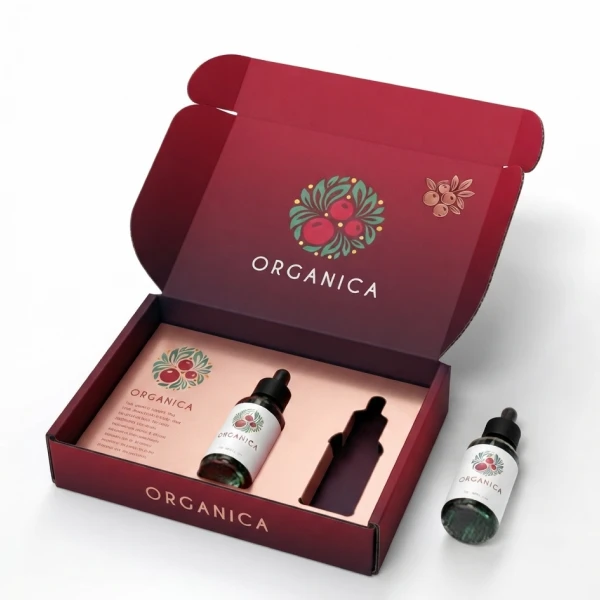
Mailer boxes are constructed from thin corrugated board and feature self-locking side walls and a front tuck-in flap. Unlike standard shipping cartons that require heavy packing tape to seal, mailer boxes fold into a secure, self-contained unit. Mailer boxes are the standard choice for modern e-commerce brands and monthly subscription box services. Their flat top cover acts like a book lid when opened, presenting the interior contents neatly to the customer for a high-impact unboxing experience.
Luxury Two-Piece Rigid Boxes
Two-piece rigid boxes consist of a separate top lid that slides smoothly over a base tray. The structural resistance of the air slowly escaping as the lid lifts off creates a memorable moment of anticipation for the customer.
These boxes can be lined with custom foam inserts, molded pulp trays, or fabric linings to lock high-value items tightly in place. Luxury brands rely heavily on two-piece rigid containers for watches, fine jewelry, high-end skincare products, and limited-edition collectors items.
High-Visibility Display Boxes and Window Cutouts
Display boxes are designed to showcase products clearly at point-of-sale counter locations or along store aisles. These structures often feature perforated tear-away tops that transform a shipping container into a ready-to-sell counter display unit in seconds.
Additionally, standard boxes can be customized with clear plastic window cutouts. Custom window cutouts allow buyers to see the true color, texture, and size of the physical product inside without opening the package, reducing accidental package damage in physical retail stores.
Industry-Specific Packaging Solutions
Every industry faces distinct physical requirements, regulatory guidelines, and marketing demands when designing custom product boxes. Custom Box USA caters to diverse business sectors by tailoring material thickness, interior inserts, and print finishes to meet specific commercial needs.
Food and Beverage Packaging
Food products require specialized packaging materials that prioritize hygiene, freshness, and moisture resistance. Custom bakery boxes, take-out containers, and dry snack packaging must use food-safe paperboard and non-toxic printing inks.
Barrier coatings can be applied to the inside of the box to prevent oils, grease, and moisture from soaking through the cardboard and weakening the package structure. Furthermore, custom food boxes must provide clear space for nutritional tables, expiration dates, and allergy warnings.
Cosmetics and Beauty Products
The cosmetics industry relies heavily on visual appeal and tactile luxury. Skincare products, perfumes, foundations, and lipsticks are often compact and fragile, requiring precise internal fittings to prevent movement inside the box. Beauty packaging often incorporates premium finishes such as soft-touch lamination, metallic foil stamping, and embossed logos. The objective in cosmetic packaging is to convey beauty, cleanliness, and luxury before the consumer even tests the product inside.
Electronics and Tech Accessories
Consumer electronics require maximum physical protection against drops, crushing weight, and static electricity during transit. Custom electronics packaging combines tough corrugated outer shells or rigid boards with internal protective inserts.
Custom inserts made from high-density foam, folded cardboard dividers, or molded pulp hold sensitive items like phones, chargers, headphones, and cables strictly in place. Electronics boxes also feature sleek monochromatic designs with step-by-step instructional prints inside the lid to guide the customer through device setup.
Retail, Apparel, and Fashion
Apparel and fashion accessories require lightweight, attractive packaging that leaves a strong brand mark without adding heavy shipping weight. Custom folding cartons, rigid presentation boxes, and sleek kraft mailers are popular choices for clothing lines, shoes, belts, and ties.
Fashion brands often print full-color patterns on the inside surfaces of the box, turning an unassuming brown outer package into a vibrant branded presentation the moment it is opened.
CBD, Hemp, and Pharmaceutical Products
Hemp, CBD, and wellness products operate under strict regulatory and labeling guidelines across different regions. Custom packaging for this industry must offer enough printable surface area to cleanly include ingredient lists, dosage recommendations, legal disclaimers, batch tracking numbers, and compliance barcodes.
Boxes engineered for high-value wellness bottles and oils often incorporate tamper-evident structural seals and child-resistant locking flaps to ensure safety and consumer trust.
Understanding Printing Technologies and Color Matching Systems
To make your artwork look professional, you need to understand how digital designs transfer onto physical box materials. Selecting the right printing method and color system ensures that your brand colors match across every production run.
CMYK (Four-Color Process) Printing
CMYK stands for Cyan, Magenta, Yellow, and Key (Black). This is the standard printing process used for most full-color custom boxes. By overlaying microscopic dots of these four primary inks in varying densities, CMYK printing can reproduce millions of colors, complex photographic images, and detailed graphic gradients.
CMYK process printing is versatile, economical, and ideal for dynamic artwork featuring multi-colored illustrations or complex patterns.
PMS (Pantone Matching System) Printing
While CMYK creates colors by mixing four basic inks on the press, the Pantone Matching System uses pre-mixed, standardized ink formulas. Every Pantone color has a unique code number that guarantees 100% color accuracy across different print runs and material types.
If your brand identity relies on a specific corporate shade—such as a specific blue or signature red—PMS spot color printing ensures your brand color looks identical whether printed on a cardboard box, a business card, or a billboard.
Digital Printing vs. Offset Printing
The choice between digital and offset printing depends primarily on your total order volume and turnaround timeline:
- Digital Printing: Transfers artwork files directly from a computer to the printing press without requiring physical aluminum plates. Digital printing requires virtually zero setup time, making it the perfect choice for short-run orders, prototype testing, seasonal promotional packaging, and fast turnarounds.
- Offset Printing: Uses physical metal plates to transfer ink onto rubber rollers and then onto the paperboard material. Offset printing requires a higher initial setup time and setup fee, but it provides superior color depth, ultra-sharp detail, and lower per-unit costs when producing large-volume wholesale orders.
Luxury Finishing Options: Elevate Your Packaging Experience
Finishing options are post-printing treatments applied to the surface of your box. These visual and tactile effects transform a simple printed box into an interactive product showcase.
Protective Surface Laminations
Lamination applies a thin plastic film over the printed paperboard, protecting the underlying ink from moisture, finger smudges, scuffs, and color fading.
- Gloss Lamination: Creates a highly reflective, shiny surface that makes artwork colors appear vibrant and saturated. It is scuff-resistant and easy to wipe clean.
- Matte Lamination: Provides a smooth, non-reflective finish that absorbs light, creating a modern, understated aesthetic. Matte surfaces give boxes a soft, premium feel.
- Soft-Touch Lamination: Adds a velvet-like texture to the surface of the box. Soft-touch coatings create a unique tactile experience that prompts customers to hold and feel the packaging.
Embossing and Debossing
Embossing uses heat and pressure to press your logo or artwork outward, creating a raised three-dimensional texture on the box surface. Debossing does the opposite, pressing the design downward into the material to form an indented impression.
Both techniques add depth to your packaging, allowing customers to feel your brand logo with their fingertips.
Metallic Foil Stamping
Foil stamping uses heat and pressure to transfer a thin layer of metallic foil onto selected areas of your box design. Gold, silver, rose gold, and holographic metallic foils catch the light, drawing immediate attention to your brand logo, tagline, or border artwork. Foil stamping is frequently paired with matte lamination to create a strong visual contrast.
Spot UV Coating
Spot UV is a clear, liquid ink coating applied to targeted areas of the box—such as a logo, image, or specific text—and then cured instantly using ultraviolet light. The treated area transforms into a glossy, raised surface while the rest of the box remains flat or matte. This dramatic contrast makes specific graphic elements pop off the background panel.
The Push for Sustainability in Packaging
Environmental impact is now a top factor influencing consumer buying decisions. Modern shoppers actively avoid brands that use excessive plastic wrapping or non-recyclable materials. Adopting sustainable custom packaging helps protect the environment while building consumer loyalty.
Recyclable and Recycled Materials
Custom product boxes made from high-density post-consumer recycled (PCR) paper fibers keep waste out of landfills. Recycled paperboard and kraft materials require significantly less water and energy to produce than virgin wood pulp. Once your customer receives their purchase, paperboard boxes can be flattened and placed directly into standard residential recycling bins without special handling.
FSC-Certified Paperboard
The Forest Stewardship Council (FSC) certification guarantees that the wood pulp used to manufacture your paperboard comes from responsibly managed forests. FSC-certified forests are harvested sustainably, protecting wildlife habitats, preserving soil quality, and upholding worker safety rights.
Including the official FSC logo on your custom boxes communicates transparency and environmental integrity directly to your target audience.
Plant-Based Inks and Eco-Friendly Coatings
Traditional printing inks often rely on petroleum-based solvents that release volatile organic compounds (VOCs) into the environment during drying. Modern custom packaging utilizes soy-based or vegetable-based inks.
Soy inks produce rich, vibrant colors while remaining easy to separate from paper fibers during the recycling process. Furthermore, water-based aqueous coatings can replace heavy plastic laminates, ensuring the entire packaging box remains completely biodegradable.
Cost Strategies: Buying Custom Boxes Wholesale at Scale
Investing in custom product packaging does not have to break your operating budget. By understanding how box manufacturing costs work, you can optimize your design choices to achieve maximum value at minimum cost.
How Order Volume Drives Down Unit Price
Custom box production involves initial fixed setup costs, including dieline creation, plate setup, ink calibration, and machine configuration. When you place a small order of 50 or 100 boxes, these fixed setup expenses are divided among a small number of units, resulting in a higher cost per box.
When you scale up to wholesale quantities—such as 2,500, 10,000, or 50,000 units—the setup costs are spread thin across the entire run. This drops the cost per individual unit drastically, giving you much higher profit margins on every product sold.
Maximizing Material and Sheet Efficiency
Working closely with experienced structural packaging designers allows you to optimize your box dielines for maximum sheet efficiency. Packaging engineers can nest box outlines tightly together on giant master sheets of paperboard, minimizing trimmed scrap waste. Reducing wasted raw material keeps your production costs low while conserving natural resources. Choosing standard cardboard calipers (thicknesses) and folding structures also reduces machine runtime and assembly labor costs.
Balancing MOQ Flexibility with Wholesale Savings
While ordering in massive wholesale quantities yields the lowest per-unit price, small businesses and startups often require low Minimum Order Quantities (MOQs) to manage cash flow.
Custom Box USA offers flexible MOQs starting as low as 50 units. This allows startups to launch new products, test seasonal limited-edition designs, and verify physical samples without tying up significant capital in inventory storage. As your sales grow, you can transition smoothly into bulk wholesale orders to maximize savings.
Why Choose Custom Box USA for Your Product Packaging?
Finding a reliable packaging supplier is essential to keeping your supply chain running smoothly. Custom Box USA brings over 5 years of manufacturing experience, working directly with businesses across North America to deliver high-quality, dependable packaging solutions.
Here is what sets our packaging process apart:
- Material Control and Quality: We offer a wide selection of raw packaging materials—including cardboard, kraft paper, rigid board, and corrugated paperboard—available in varying calipers and structural flutes tailored precisely to your product's weight and handling demands.
- Transparent Pricing Structure: We provide clear, itemized quotes that outline material, printing, setup, and finishing costs without hidden die-plate surcharges or unexpected fees.
- Free Sample Verification: To ensure complete confidence before full-scale manufacturing begins, we offer 2D flat proofs, 3D digital renderings, and physical sample options. You can verify box dimensions, test product fit, and check print quality before committing to a production run.
- Low Minimum Order Quantities: Whether you need 50 boxes for a boutique product launch or 50,000 units for nationwide retail distribution, our production lines adapt seamlessly to your volume requirements.
- Dedicated Order Support: Our packaging specialists assist you through every step of the process—from reviewing artwork files and structural dielines to selecting finishing touches and tracking final delivery to your warehouse.
Upgrade Your Brand Packaging Today!
High-quality custom product boxes protect your physical goods, elevate your brand image, and build customer loyalty with every package delivered. From eco-friendly kraft cartons to luxury rigid boxes and heavy-duty corrugated mailers, Custom Box USA delivers tailored packaging solutions designed to fit your budget and business goals.
Ready to take your product presentation to the next level? Contact us at Custom Box USA today for a free price quote, custom dieline assistance, and expert design support!
Full CMYK Printing
Vibrant, photographic-quality print on every panel. 300 DPI resolution ensures crisp logos and artwork.
Eco-Friendly Materials
Made from recycled corrugated or kraft board. 100% biodegradable and FSC-certified materials available.
Fully Custom Sizes
Any dimension you need — from small jewelry mailers to large product shipping boxes. No constraints.
Premium Finishes
Matte, gloss, soft-touch, foil stamping, embossing, and spot UV — all available on every style.
Auto-Lock Bottom
Pre-glued auto-lock bottom for fast packing. No tape needed — saves time on your fulfillment line.
Free Design Service
Share your logo and brand colors — our team creates print-ready artwork at zero cost, every order.
"Quality exceeded expectations. Customers keep commenting on the packaging — really elevates the unboxing experience."
"Fast turnaround, zero errors. Eco kraft boxes are perfect for our sustainable brand. Ordering every quarter."
"Switched from a competitor — night and day difference. Free design support saved us hundreds in agency fees."
"200 custom mailers for our product launch — arrived 2 days early, colors spot on. Customers DMing us about the packaging!"
Love this product?
Share your review.
Your feedback helps other buyers and improves our service for everyone.
Write Your Review
Upload Image (optional) — click to browse
Visible after moderation within 24 hours.
Die Cut Boxes
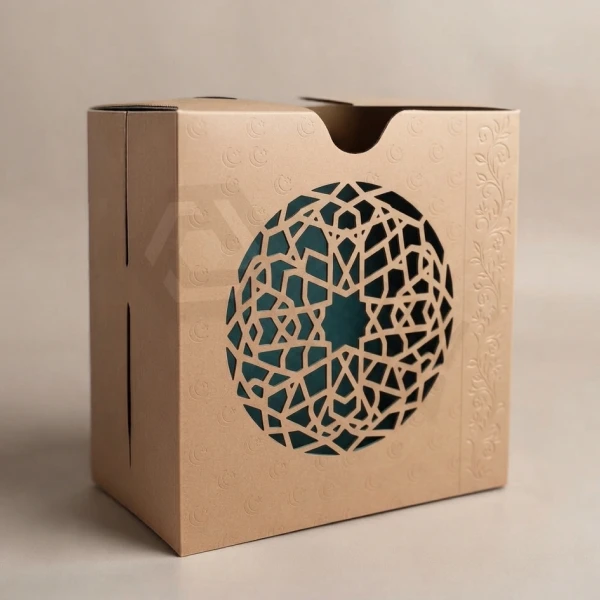
Stop forcing unique products into boring, standard rectangular boxes. Custom die...
Folding Boxes
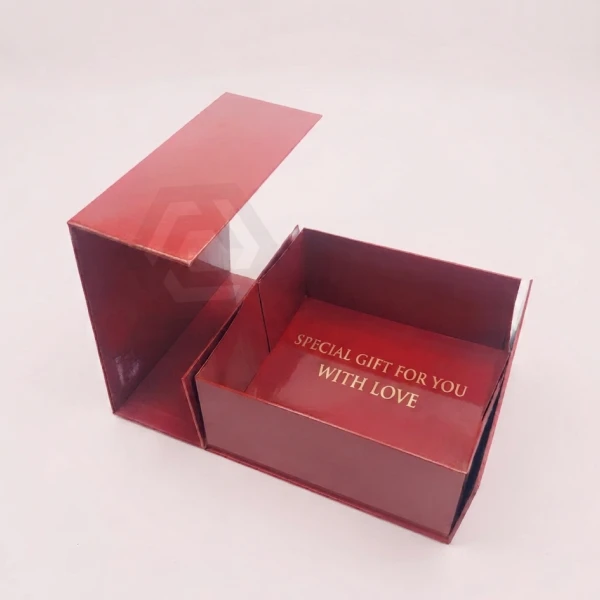
Need a packaging solution that fits a flat footprint and pops up instantly when...
Pillow Boxes
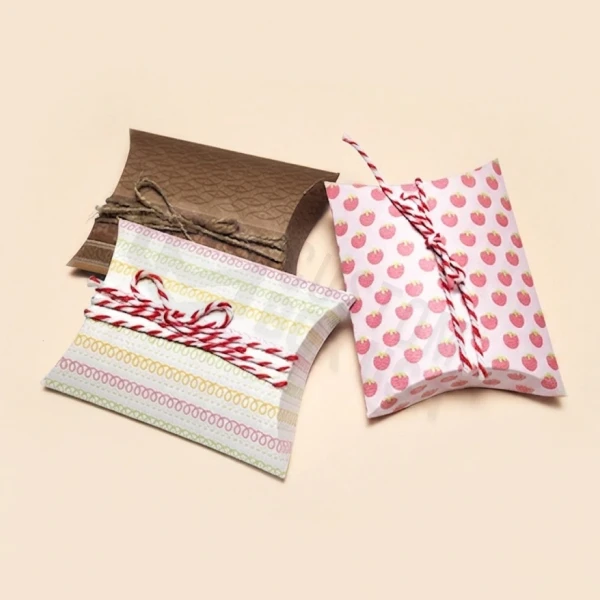
The use of pillow boxes is helpful for small things. Their convenience, high usa...
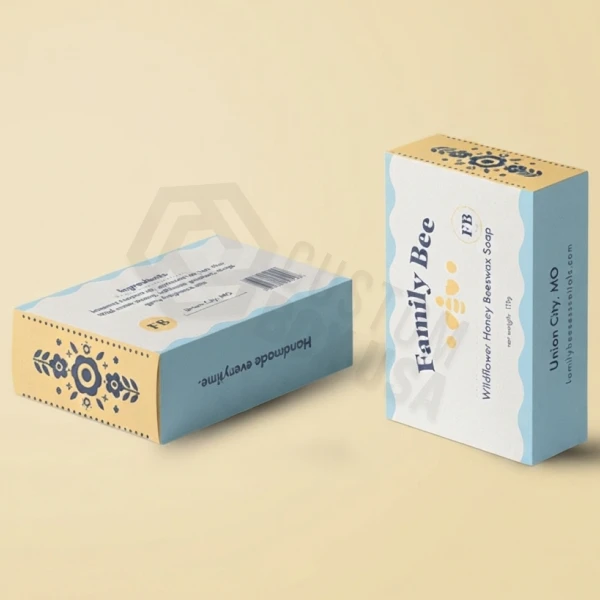
Soap Boxes
Looking for luxury soap boxes packaging that keeps your soap fresh and looking i...
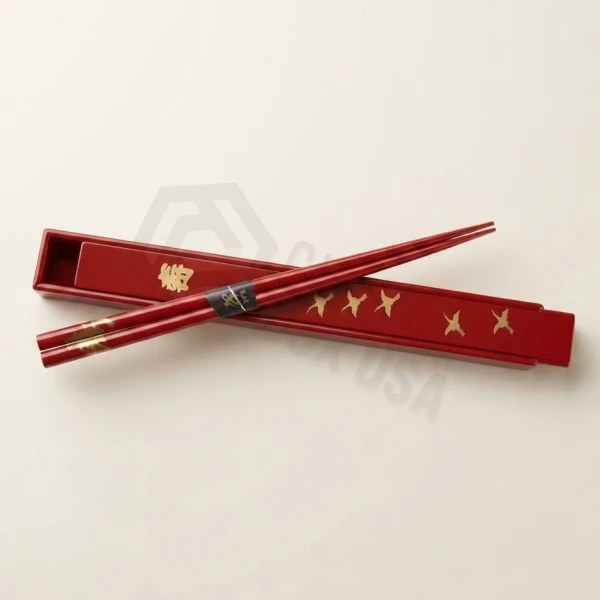
Chopstick Boxes
Chopstick packaging can draw customers to your restaurants because of how they l...
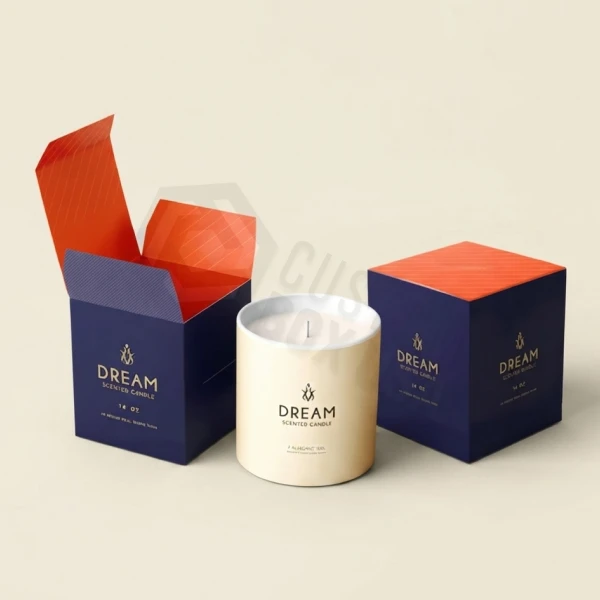
Candle Boxes
This is the perfect time to make candle boxes because they will help promote a b...
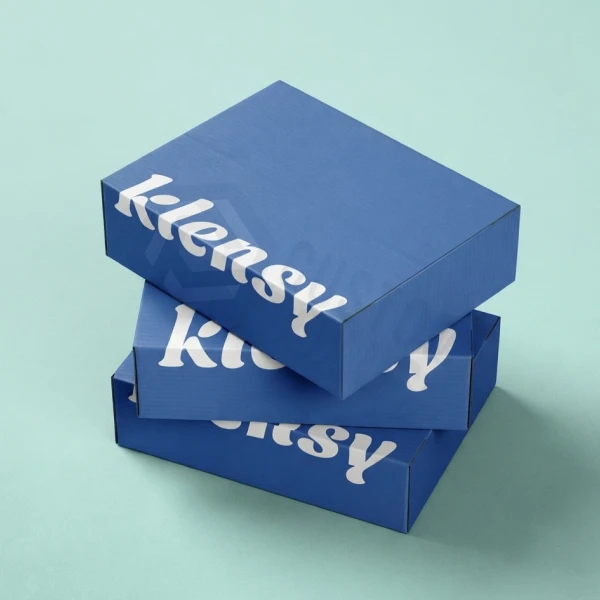
Cardboard Boxes
Cardboard boxes aren't just boxes to put things in; they're also the out...
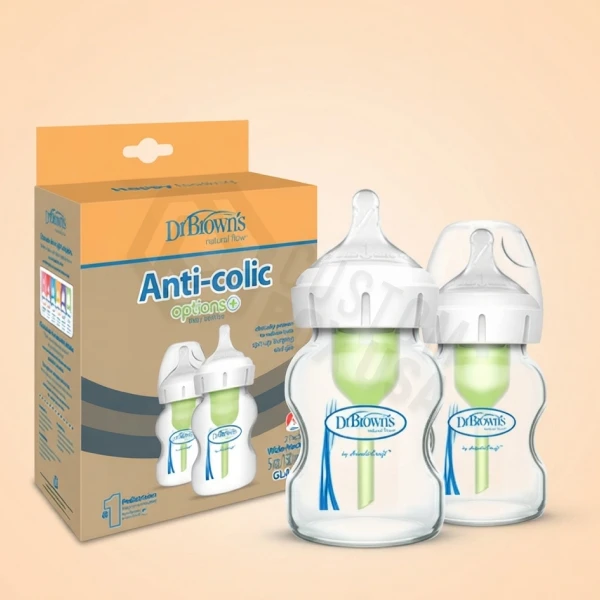
Babylist Bottle Box
Are you looking to save on your Babylist bottle box? Look no further than our on...