"Quality exceeded expectations. Customers keep commenting on the packaging."
"Fast turnaround, zero errors. Perfect eco kraft boxes for our sustainable brand."
"Switched from a competitor — night and day difference in quality and service."
Texture Boxes
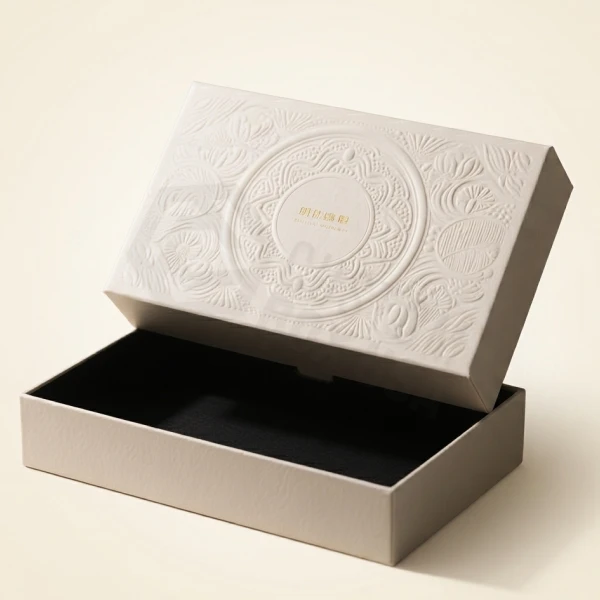
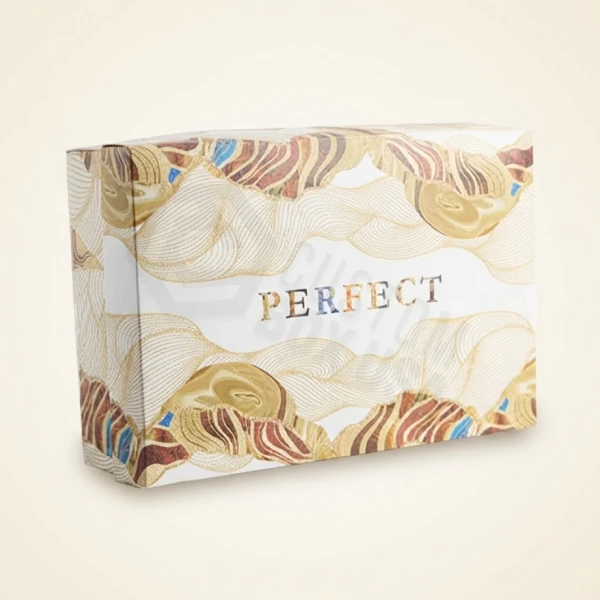
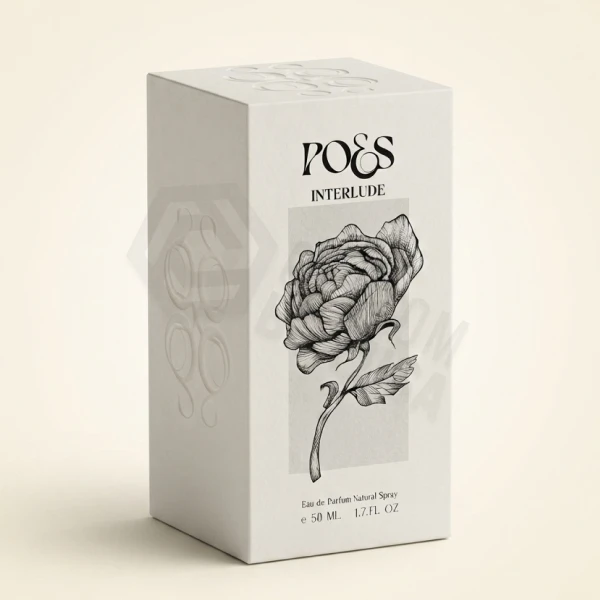
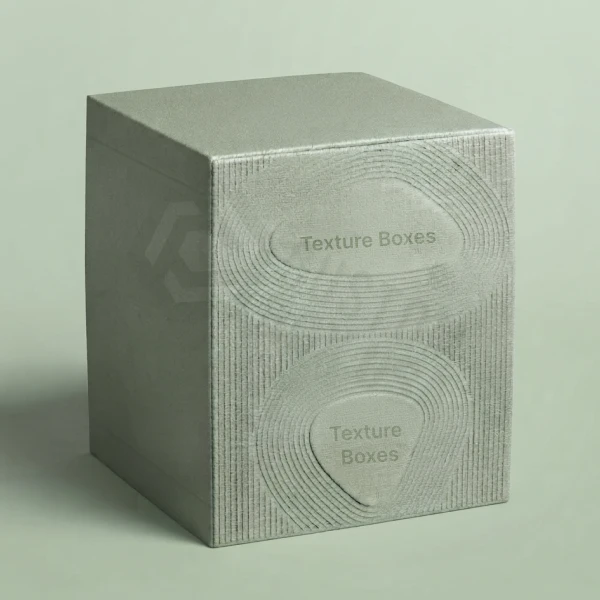
Texture boxes are usually made from Kraft and bux board, the most flexible materials for texturing. They have a nice, textured look and give a pleasant feeling when touched. These boxes do not require high printing as the texture is enough to make them look unique. However, you can modify these boxes to fit the product they hold perfectly. CustomBoxUSA utilizes high-end printing and finishing techniques to give the textured surface a more eye-catching look.
100% Print Quality Guarantee
Not satisfied? We reprint or refund — no questions asked, every order.
Configure & Quote
Choose box type, size, finish, and quantity. Fill our instant quote form — response within 2 hours.
Design
Upload your artwork or just share your logo. Our free design team builds print-ready artwork for you.
Payment Process
After approving our digital files and being satisfied, we process the project amount.
Production
After final file approval and payment, our expert production team gets to work immediately.
Delivery
We use trusted courier services like FedEx, Skynet, and DHL for fast, reliable delivery.
| Box Style | Mailer Box (Tuck-end / Auto-lock / Snap-lock) |
| Dimension | All Custom Sizes & Shapes |
| Minimum Order | No Minimum Order Required |
| Stock | E-Flute, B-Flute Corrugated, White Kraft, SBS Board (10pt–28pt) |
| Printing | No Print, CMYK, CMYK + 1 PMS, CMYK + 2 PMS |
| Finishing | Gloss, Matte, UV, Spot UV, Embossing, Foil Stamp, Soft Touch |
| Included | Die Cutting, Gluing, Scoring, Perforation |
| Additional | Eco-Friendly, Recycled, Biodegradable, Food-Safe |
| Proof | Flat View, 3D Mock-up, Physical Sample (on request) |
| Turnaround | 7 Business Days · RUSH 3–4 Days |
| Shipping | Free to all USA addresses |
| Certifications | FSC Certified · Recyclable · Food-Safe Available |
Instant Quote
Not sure about dimensions? Fill this and our team responds in 1 hours.
🎨 Free Design Consultation!
Our design team tests different layouts until you find the one that speaks to your brand — at zero cost on every order.
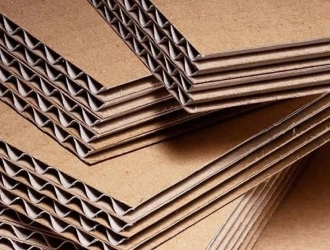
Cardboard
Minimal environmental impact, minimizes waste. Great for lightweight retail products.
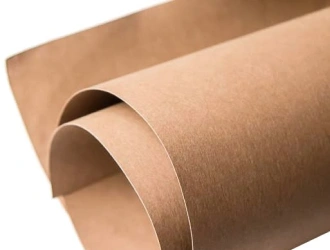
Kraft
Strong, durable, and reliable. Widely used eco-friendly material across many industries.
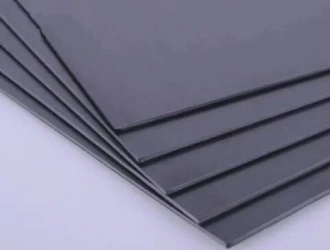
Rigid
Highly protective, affordable, and recyclable. Provides maximum protection for premium products.
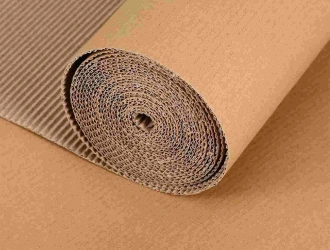
Corrugated
Easy to customize, cost-effective, and sustainable. Ideal for branding and shipping.
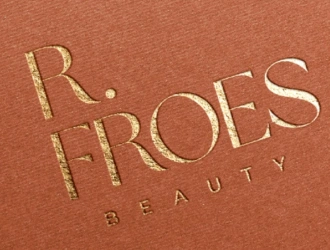
Foil Stamping
Gold, silver, or rose gold foil. Adds a luxury metallic effect.
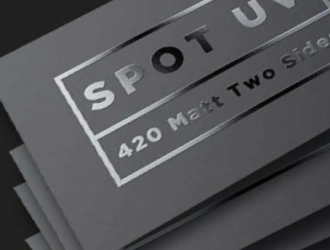
Spot UV
High-gloss UV on selective areas for a shine effect.
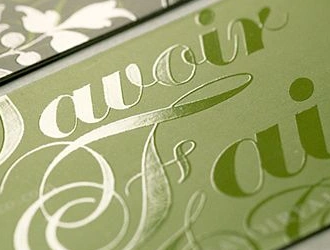
Gloss
Vibrant glossy finish increasing color brilliance.
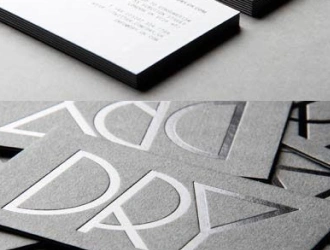
Matte
Premium velvety finish. Fingerprints less visible.
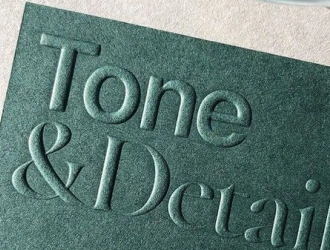
Embossing
Raised 3D texture. Transfers finest brand details.
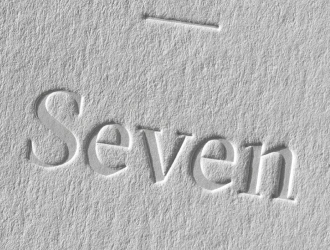
Debossing
Pressed-in graphics create a unique tactile experience.
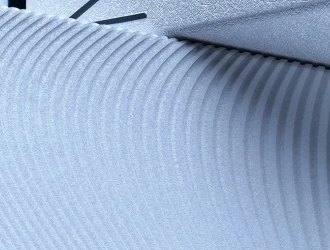
Soft Touch
Velvety soft-touch lamination adds texture and protection.
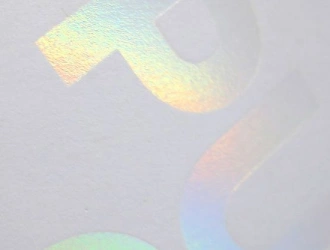
Holographic
Diffracts light to reveal rainbow colors at all angles.
Description
Print Your Packaging With Texture Boxes California, US
Texture boxes can be used for packaging products, such as digital cables, or for science centers in preschools and kindergartens. If the packaging is excellent to look at and feel, the goods inside are high quality. Using textured boxes for your product will make your brand premium and superior. Customers like companies that pay close attention to what they need regarding packaging. With these boxes, you can show off your brand uniquely. The texture on the packaging makes it look pleasant and more accessible to remember. Here are some types of textured boxes:
- Texture Touch Boxes: These boxes are used in science centers to give kids a hands-on way to feel different textures.
- Color and texture boxes: These boxes can be used to customize the details of a green wall.
- Black Texture Raphe Rigid Box With Paper Sleeve: This box is customizable and can be used to pack digital cable products.
- 3.5 Gal. Ready Tex Wall Texture Box: This box is designed to cover up to 400 sq. ft. and is non-tinted. You can also get custom-printed packaging box textures at wholesale prices.
We know all of your marketing needs for your packaging. Together with the production team, our talented design team researches and develops new ideas. Our design team works hard and talks to the right people before making the box. We keep our customer’s preferences on the top while manufacturing the textured packaging box.
Premium Quality Printed Packaging at Reasonable Prices
Using trendy, elegant, and beautiful printed textured boxes is a great way to make your product stand out. Cardboard with patterns or textures is in use for almost anything. Textured materials give your custom box an elegant look and make it more likely that a customer will notice it. With such packaging, you can pack your products at reasonable prices. We use such material that is easy to recycle. This thing reduces the cost of manufacturing them. So, by decreasing the cost of packaging, you can control your expenses. Furthermore, you can invest your resources in outer things and gain high-profit margins.
We completely understand your needs and scarce resources. So, we provide you with wholesale textured boxes at a price within your budget. Feel free to contact us and get detailed information. Our reasonable prices do not mean low-quality material. Our quality control department follows strict rules to ensure every product is of the highest quality possible. Millions of our customers trust the quality of our textured boxes wholesale. They keep buying large quantities of them from us.
Quality Cardstock for Custom-printed Texture Boxes in NYC, USA
We have the best selection of custom printing, box styles, and designs to make it easier for you to choose. You can laminate these boxes with flexible coatings to make them even safer for the whole product. This thing makes them look attractive and appealing to the audience. Packaging solutions with unique and catchy designs always fascinate more people apart of their use. For product packaging or gifting, textured boxes perfectly match businesses or individuals looking for uniquely designed packaging outfits. These cardboard and Kraft paper-made containers keep the encased products in natural shape and quality.
Having rich quality printing and outstanding customization choices, they are exceptional in efficiently serving your gifting and product retailing purposes, as they are fully capable of attracting customers and convincing them to get engaged with the encased products. Even if you are using them to gift your loved ones, they can exceptionally make a great impression of your personality on the recipients.
Exclusive designs of Texture Box in Florida:
Enhance the elegance of your products with our custom-designed texture boxes in Florida. We offer an extensive range of customization and printing choices. Here at CustomBoxUSA, you can get your packaging solutions designed and manufactured in every possible way. Specifically, when designing black textured boxes, we are unbeatable in providing various unique and catchy packaging designs that fascinate your customers and gift recipients. Please use our unique designs and widespread customization choices to make your gifts more attractive and message-conveying.
Wider Customization Range:
We offer limits to the sky for customization choices to customize white textured boxes to our clients to provide them with the most authentic solution for your packaging needs. Irrespective of your usage purpose for these packages, we are up to the mark to customize them for your purposes. The customization features such as window cutouts, scoring, perforation, gluing, embossing and debossing, lamination with high-end coating materials like Spot UV, gloss, and matte, and gold and silver foiling along with decorative elements, make these custom textured packaging exceptional in attracting people and boost their unboxing experiences.
Rich Quality Printing:
In modern-day packaging solutions, the importance of high-end printing is increasing as marketing strategists exclusively emphasize marketing through packaging tactics. In this regard, to fulfill the marketing needs of our clients through packaging, we are utilizing modern and state-of-the-art printing techniques and technologies. We are encompassing catchy font styles, alluring graphics and visuals, embossed brand logos and emblems, printed product details and wishing messages (in case of gifting), and hot-stamped foiling to enhance the attract ability and marketing capabilities of our printed rough textured boxes. We do so to assist our clients in the best ways to thrive in the business and maximize their sales and profitability.
Eco-Friendly Materials:
We are aware of the spreading awareness regarding the environmental health in people, and they are becoming conscious about the packaging solution. We are also utilizing the best possible ways to provide you with high-quality packaging solutions that are recyclable and reusable. In producing these containers, we use sturdy yet recyclable packaging and printing materials such as cardboard, Kraft paper, and soy-based inks that allow us to deliver eco-friendly packaging to enable you to comply with the green packaging standards. Our textured card stock paper packaging will surely help you attract environment-conscious customers due to their recyclable nature and other customization and printing features.
On-Time Delivery:
We guarantee on-time delivery of your orders for these containers within the agreed period. In normal conditions from your side, you can get your deliveries within 10 to 12 business days after your desired designs for these containers are approved. Once you make payments and bring your design approved, we will be responsible for delivering within the time limit. Even if you are looking for rush orders, we can provide you on the same day with negligible extra charges.
Why CustomBoxUSA?
Custom Box USA has been providing unbeatable quality standards in its packaging and printing products to many brands and businesses, and textured card printing is the finest example. We are utilizing state-of-the-art printing and packaging technologies. We deliver perfect solutions and help you accomplish your business goals with our packaging and printing merchandise. Along with high-end products, we also facilitate our clients through free design support, free shipping, and 24/7 customer care service to help them get their desired solutions at the minimum possible prices.
Full CMYK Printing
Vibrant, photographic-quality print on every panel. 300 DPI resolution ensures crisp logos and artwork.
Eco-Friendly Materials
Made from recycled corrugated or kraft board. 100% biodegradable and FSC-certified materials available.
Fully Custom Sizes
Any dimension you need — from small jewelry mailers to large product shipping boxes. No constraints.
Premium Finishes
Matte, gloss, soft-touch, foil stamping, embossing, and spot UV — all available on every style.
Auto-Lock Bottom
Pre-glued auto-lock bottom for fast packing. No tape needed — saves time on your fulfillment line.
Free Design Service
Share your logo and brand colors — our team creates print-ready artwork at zero cost, every order.
"Quality exceeded expectations. Customers keep commenting on the packaging — really elevates the unboxing experience."
"Fast turnaround, zero errors. Eco kraft boxes are perfect for our sustainable brand. Ordering every quarter."
"Switched from a competitor — night and day difference. Free design support saved us hundreds in agency fees."
"200 custom mailers for our product launch — arrived 2 days early, colors spot on. Customers DMing us about the packaging!"
Love this product?
Share your review.
Your feedback helps other buyers and improves our service for everyone.
Write Your Review
Upload Image (optional) — click to browse
Visible after moderation within 24 hours.
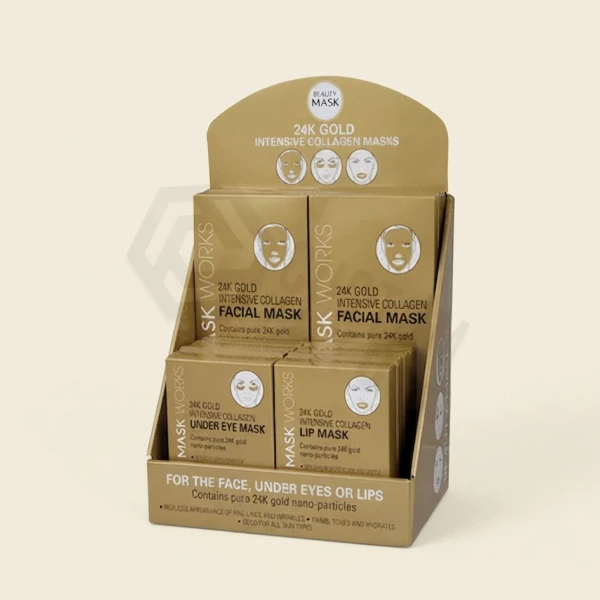
Cosmetic Display Boxes
Cosmetic display boxes are a great idea to display your products attractively an...
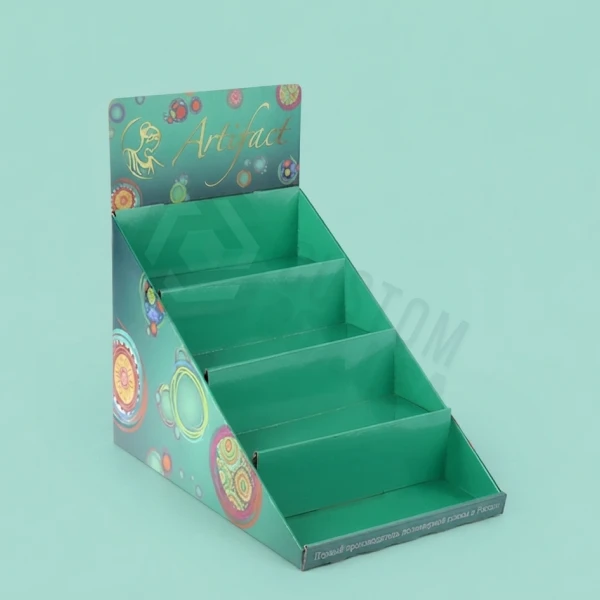
Counter Display Boxes
Putting counter display boxes in visible places in a store will get customers...
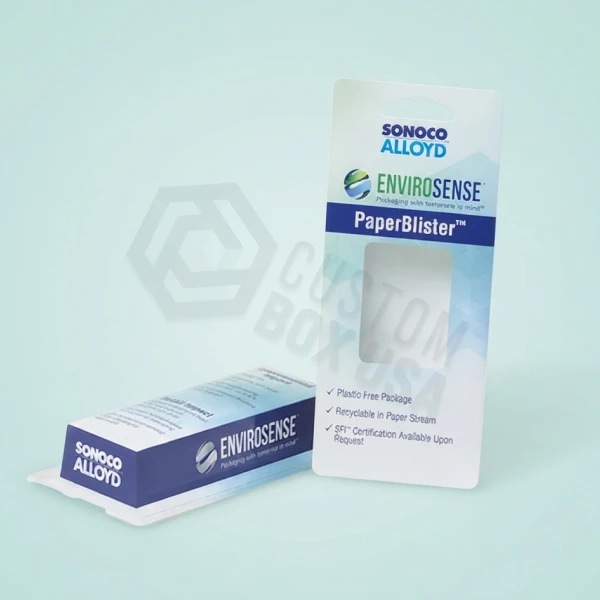
Blister Card Packaging
If you are in the pharmaceutical business, you know the importance of blister ca...
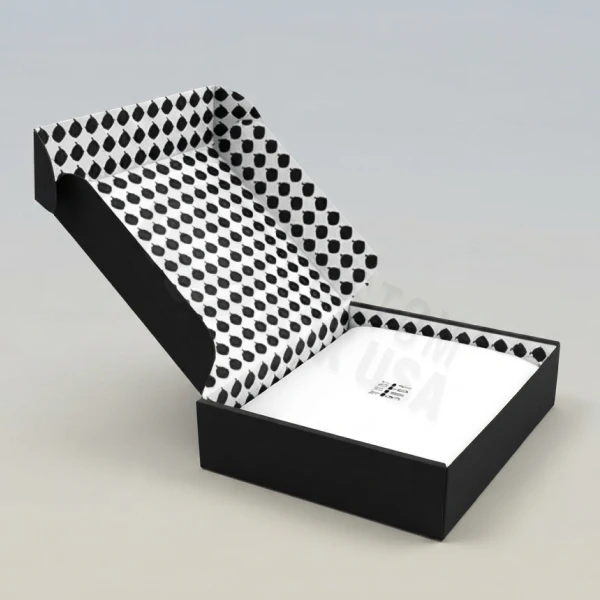
Black Packaging Box
Various materials, including cardboard boxes, Kraft boxes, and E-flute corrugate...
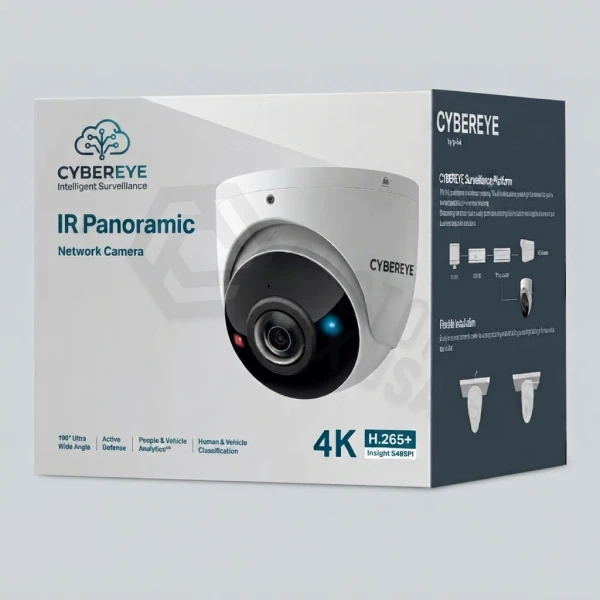
CCTV Box California
With its protective CCTV box, which makes it simple to store and catalog, you ca...
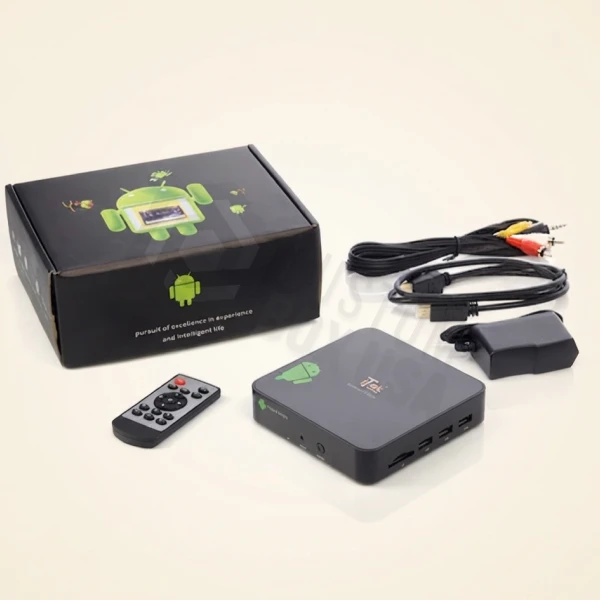
TV Box
A TV box is made of strong, rigid, non-toxic, and environmentally friendly mater...
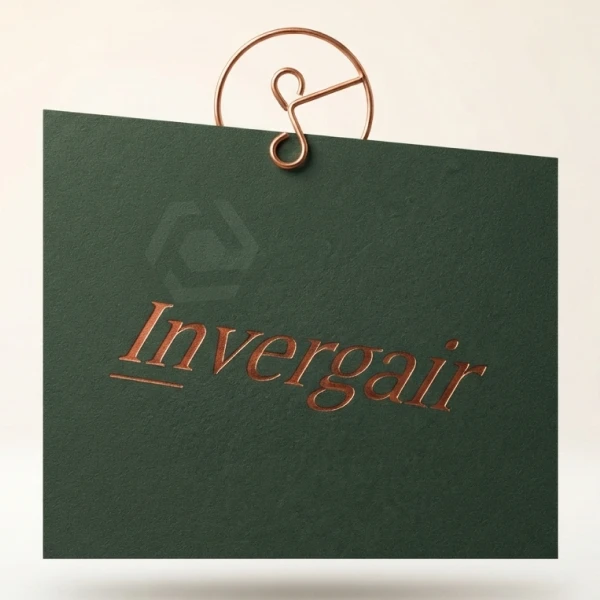
Copper Foil
Copper foil isn’t just a shiny material; it’s a game-changer for you...
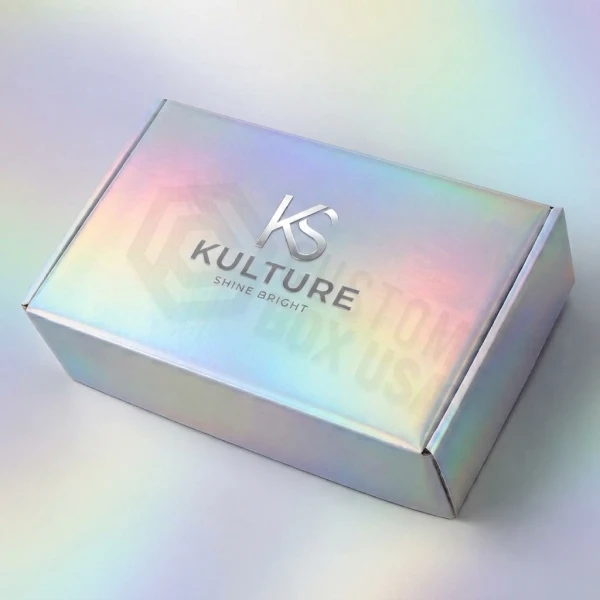
Holographic Boxes
Boxes made using holographic technology are designed to attract. They are surely...