"Quality exceeded expectations. Customers keep commenting on the packaging."
"Fast turnaround, zero errors. Perfect eco kraft boxes for our sustainable brand."
"Switched from a competitor — night and day difference in quality and service."
Custom Mobile Battery Boxes
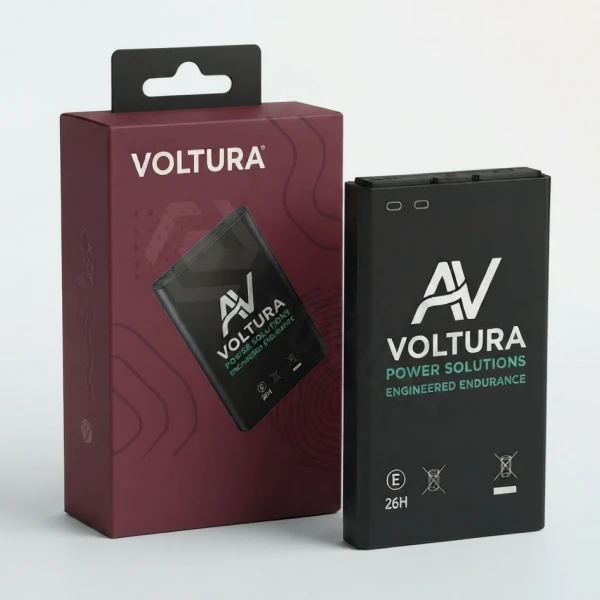
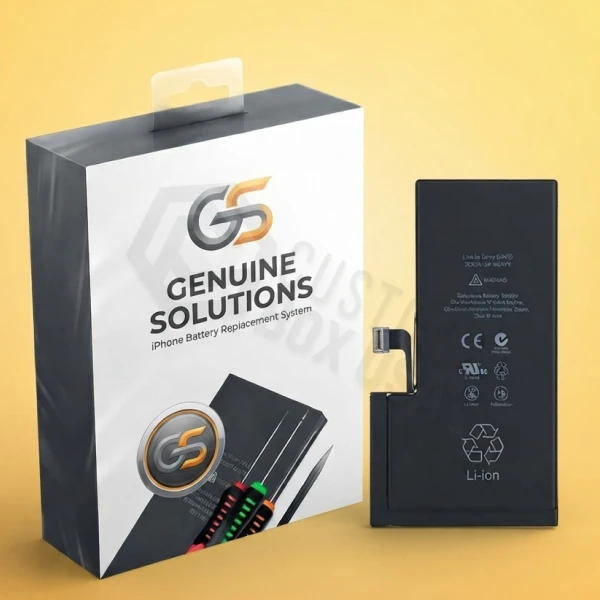
What sets these mobile battery packages apart from each other box? First, it must protect a regulated item. Second, it has to comply with transportation laws. And third, it has to be attractive when displayed on shelves. Custom Box USA constructs these packages properly. Static-resistant films offer protection against static. Shockproof foam offers protection from drops. Outer boxes guarantee security in transportation & shelf presentation. Regulations come first. And branding comes immediately next. Wholesale folding cartons cost $0.44 to $0.50 each piece.
100% Print Quality Guarantee
Not satisfied? We reprint or refund — no questions asked, every order.
Configure & Quote
Choose box type, size, finish, and quantity. Fill our instant quote form — response within 2 hours.
Design
Upload your artwork or just share your logo. Our free design team builds print-ready artwork for you.
Payment Process
After approving our digital files and being satisfied, we process the project amount.
Production
After final file approval and payment, our expert production team gets to work immediately.
Delivery
We use trusted courier services like FedEx, Skynet, and DHL for fast, reliable delivery.
| Box Style | Mailer Box (Tuck-end / Auto-lock / Snap-lock) |
| Dimension | All Custom Sizes & Shapes |
| Minimum Order | No Minimum Order Required |
| Stock | E-Flute, B-Flute Corrugated, White Kraft, SBS Board (10pt–28pt) |
| Printing | No Print, CMYK, CMYK + 1 PMS, CMYK + 2 PMS |
| Finishing | Gloss, Matte, UV, Spot UV, Embossing, Foil Stamp, Soft Touch |
| Included | Die Cutting, Gluing, Scoring, Perforation |
| Additional | Eco-Friendly, Recycled, Biodegradable, Food-Safe |
| Proof | Flat View, 3D Mock-up, Physical Sample (on request) |
| Turnaround | 7 Business Days · RUSH 3–4 Days |
| Shipping | Free to all USA addresses |
| Certifications | FSC Certified · Recyclable · Food-Safe Available |
Instant Quote
Not sure about dimensions? Fill this and our team responds in 1 hours.
🎨 Free Design Consultation!
Our design team tests different layouts until you find the one that speaks to your brand — at zero cost on every order.

Cardboard
Minimal environmental impact, minimizes waste. Great for lightweight retail products.

Kraft
Strong, durable, and reliable. Widely used eco-friendly material across many industries.

Rigid
Highly protective, affordable, and recyclable. Provides maximum protection for premium products.

Corrugated
Easy to customize, cost-effective, and sustainable. Ideal for branding and shipping.

Foil Stamping
Gold, silver, or rose gold foil. Adds a luxury metallic effect.
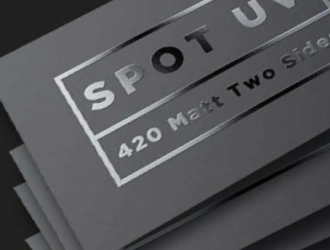
Spot UV
High-gloss UV on selective areas for a shine effect.

Gloss
Vibrant glossy finish increasing color brilliance.

Matte
Premium velvety finish. Fingerprints less visible.

Embossing
Raised 3D texture. Transfers finest brand details.

Debossing
Pressed-in graphics create a unique tactile experience.

Soft Touch
Velvety soft-touch lamination adds texture and protection.

Holographic
Diffracts light to reveal rainbow colors at all angles.
Description
Mobile Battery Packaging: Compliance, Protection & Design That Works Together
Mobile battery & power bank packaging has one unique job to do that is different from regular boxes. It must not only secure the item inside but must also grab attention once the box is opened. Throw in stringent packaging regulations like DOT, IATA, & UN38.3 and one small mistake can go from poor design to rejection of shipment, a penalty or also a safety hazard.
Custom Box USA designs packaging specifically for your mobile battery products to ensure they can handle this tough challenge. Folding cartons. Rigid boxes. Corrugated mailers. Antistatic bags. Each type of packaging designed specifically to meet DOT & IATA regulations while still looking great on the shelf. Anti-conductive inserts shield terminals while protective materials prevent corrosion and moisture damage. Custom printing takes care of turning a functional box into branding.
Here is how we do it: the full run-down on battery packaging materials, types of packaging, regulatory requirements & packaging strategies.
What Is Mobile Battery Packaging?
Mobile battery packaging is the custom cartons, blister card, inserts and protective materials used to ship, store and showcase lithium-ion and lithium-polymer battery products, either for retail sale or direct to consumer delivery.
The category includes packaging boxes of
- Replacement batteries for smartphones & tablets
- Power banks and wireless charging mats
- USB-C & Lightning chargers and cable kits
- Phone cases with embedded battery
- High capacity lithium batteries for industrial/mobile devices
While all types of packaging have their regulatory side, in the case of mobile battery packaging, it lies directly below the branding aspect because of the dangerous nature of lithium-ion and lithium-polymer cells.
The Importance of Proper Mobile Battery Packaging
A good package serves two purposes simultaneously: the safety of the battery and your company's brand. Terminal protection prevents short circuits while restricted movement of tabs ensures that they will not be bent while being transported. When batteries are stored, appropriate materials are crucial for protection from electrostatic discharge and moisture, both of which can silently destroy cells over time.
Another function of packaging is usually overlooked—communication. Watt hours and battery chemistry labeling allow for instant recognition by carriers and store personnel while barcodes and QR codes enable quick scans when transporting products.
When these aspects are properly combined, practical benefits come instantly: shipment checks are done smoothly without any delays, faster deliveries are made, and the customers get the high-quality packaging immediately. Good packaging, therefore, pays off by preventing unnecessary work and damaged products.
Stylize Your Mobile Battery Packaging Boxes
Your mobile phone battery does not have to look like another piece of your electronics accessories placed in one row on a shelf. The right box style will make your battery look great and stylish. A few box styles you may want to consider include:
- Tuck-End Boxes: Tuck-end boxes come in different shapes including the rectangular & reverse tuck style. All these box styles are known for fast and efficient packaging. They also secure your batteries well, even if your box accidentally ends up upside down.
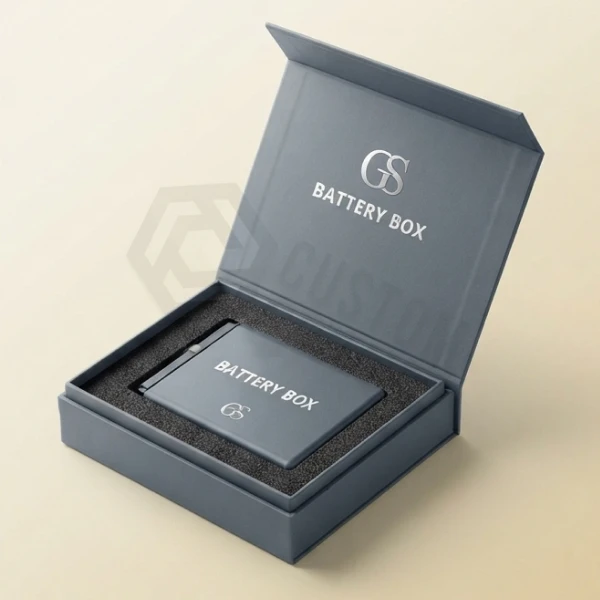
- Magnetic Flap Boxes: The snap-shut design of the magnetic lid will give your buyers a premium opening experience and will secure your battery safely inside of it.
- Slide-Out Drawer Boxes: The box consists of an outer sleeve and an internal tray that allows for easy sliding out of the battery.
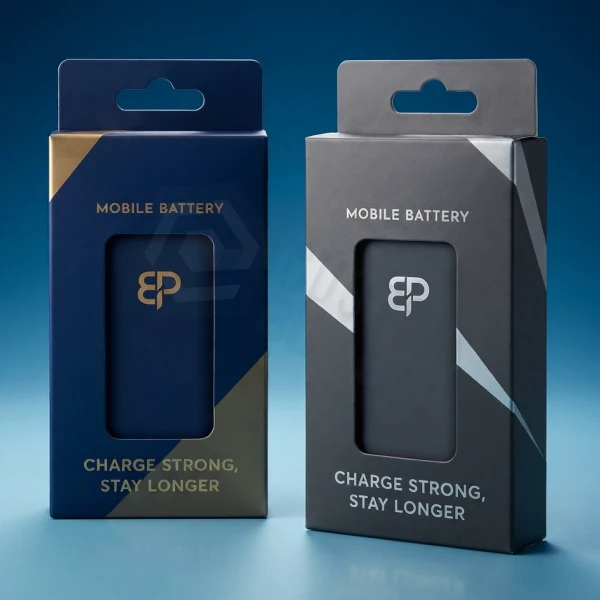
- Die Cut Window Boxes: transparent PET front panel with the die cut hole will allow your potential buyers to see their battery without having to open it.
- Hang Tab Packaging: This type of packaging is made especially for the shelves in the stores. These boxes have euro slots or hang tabs.
It all depends on the sales location where you are going to place your battery.
Why Mobile Battery Packaging Is Different From Other Categories
Lithium Batteries Are Regulated Dangerous Goods
According to the US Department of Transportation regulations (49 CFR Parts 171–180) and the IATA Dangerous Goods Regulations for air shipment, lithium-ion and lithium-polymer batteries are considered Class 9 dangerous goods. Incorrect packing or damage to the batteries can lead to thermal runaway, a chemical reaction resulting in an uncontrollable increase of temperature and, in severe cases, fires.
Mobile battery packaging must comply with regulations concerning:
- Protection of terminals from causing short circuits
- Inner packaging designed to prevent movement and contact between the cells
- Outer packaging designed to meet specific drop and crush performance requirements
- Limits on watt-hour content per package for air shipment
- Warning labels, including the UN lithium battery mark
It's not only a set of recommendations but an obligatory set of federal and international regulations applicable to any brand shipping lithium batteries commercially in/from the USA.
The Watt-Hour Threshold Most Sellers Don't Know About
Here's one thing people don't think about enough: when a lithium-ion battery goes above 300 watt-hours, that makes it a "fully regulated" item. When that happens, packaging requirements become much more stringent, all the handlers of the shipment need certification, and the warehouse requirements (including sprinklers) become totally different. The insurance cost goes up, & some carriers will charge extra to carry it.
That is also when the major marketplaces decide they won't keep the product in their fulfillment centers. Even today, most power bank and battery products don't cross this threshold, but for those who are designing higher capacity products, they should be considering it from an early stage as that changes the whole picture of fulfillment, not just packaging.
UN38.3 Testing: A Mandatory Step Before Packaging Compliance
However, before the packaging compliance comes into play, the batteries have to meet the requirements of the UN38.3 standard that contains eight different tests including simulation of altitude, thermal cycling, vibration, mechanical shock, and short circuit, impact, overcharge & forced discharge in order to ensure safe transportation of the battery.
Some manufacturers take the supplier's word regarding battery compliance with safety requirements, but during an audit by the carrier or online marketplace, they find no proof of a UN38.3 test summary at all. In this case, the carrier may simply reject the shipment while the marketplace would remove the listing. However, this problem does not relate to packaging but to sourcing and documentation, but the point is that perfect packaging compliance is useless if the documentation itself is wrong.
Package Directly Affects Purchase Decision
As far as consumer electronics accessories go, the majority of the purchase decision happens right there at the point of purchase, when packaging becomes the only source of information about the product. Clear information on the compatibility, battery capacity, certifications, and branding helps the buyer make the final purchase decision. The package which seems generic and lacks this information can be quite problematic as far as the legitimacy of the product is concerned. This is important to remember when discussing the topic because this category of products contains numerous counterfeits and subpar batteries.
Online Commerce Packaging and Its Effect on Reviews and Future Orders
If we are talking about brands which are selling mobile batteries via ecommerce, the package which the client will receive becomes his or her first touchpoint. The positive impression of the package leads to good reviews and repeat orders, while the package which was damaged and poorly packaged makes the negative impression. This is very important to know because in a category where reviews have outsized importance this effect will quickly spread.
Types of Packaging
1. Retail Blister Card Packaging
A blister pack is a structure of a plastic cavity which is sealed or folded on the printed cardboard backing. The plastic blister cavity allows seeing the product inside, while the backing includes all information about the product (compatibility, safety, branding etc.).
- Best for: pharmacy retail, convenience store sales, impulse sales and hook display in retail POS environments.
2. Custom Folding Carton Box
The most versatile form factor in the category. The folding carton or tuck-end box gives you the opportunity to print on all six surfaces of the box. From simple single color kraft boxes for budget products up to full-color boxes with premium laminations and spot UV coatings and embossed logos for luxury brands.
- Best for: most retail and ecommerce battery products.
3. Corrugated Shipping Box
It provides the structural integrity a battery pack needs to survive standard handling during carrier shipping. Whether single-wall or double-wall, corrugated boxes are chosen based on the battery's weight and its shipment distance. Lithium battery shipments require outer packaging that meets the IATA Packing Instructions 965-970, depending on battery type and watt-hour rating.
- Best for: E-commerce DTC shipments, wholesaling, and B2B deliveries.
4. Mailer Box
A self-locking corrugated box designed specifically for the unboxing process; it features custom-printed inner surfaces, foam inserts, and tissue paper packaging.
- Best for: Subscription products, premium DTC battery products, and brands focused on unboxing videos.
5. Anti-Static Protection Pouch
Lithium cells intended for repair technicians and professional battery installations are normally packed in anti-static polyethylene bags with header cards or small outer cartons to prevent electrostatic discharge damage to the circuits.
- Best for: Professional channels, wholesaling, and B2B technical battery sales.
Folded Cartons and Tuck Cases
Strong SBS board material suitable for use as replacement batteries or power banks, providing sufficient room for branding and hang tabs for pegboards.
- Best For: Replacement batteries and retail power banks.
Blister Packs with Backing Cards
Plastic blister pack that holds the battery while placed on a cardboard backing card.
Best For: Small replacement batteries and tamper-proof packaging.
Premium Two-piece Rigid Boxes
Chipboard covered with art paper and having a lid attached to it or a magnet closure.
- Best For: Premium power banks and gifts.
Protection Elements Inside Batteries
A box isn't the only requirement for proper protection; the battery should also be protected internally to avoid movement, contact damage, and vibration damage while in transport.
- Custom Die-Cut Foam Inserts: Inserts of high-density EVA or PE foam that absorb vibrations and provide impact resistance for the device, preventing rattling and damage inside the box.
- ESD Mylar Bags & Anti-Static Film: Pouches with inner protection that guard the device from humidity and discharge of static electricity, thus preserving sensitive charging circuits.
- Non-Conductive Dividers: Cardboard or chipboard dividers that serve as physical protection against the movement of battery terminals and wire tangling.
Requirements for Shipping and Regulations
Lithium batteries are considered Class 9 dangerous goods, which means bulk transportation requires additional packaging like corrugated master cartons in addition to shipping labels.
- UN3480 Labels: Applied to standalone lithium-ion batteries transported alone.
- UN3481 Labels: Applied to lithium-ion batteries that are packed in equipment or shipped with the devices they are intended for, like phones with their batteries installed.
- Cautionary Markings & Handling Labels: Warning labels that contain information about emergency handling procedures, level of danger, and instructions to stop the transport immediately if the battery packaging is damaged.
Materials Used in Mobile Battery Packaging
|
Material |
Characteristics |
Best Application |
|
Card Stock (14–24 pt) |
Excellent printability, good fold, recyclable, and FSC-certified material is available |
Folding cartons for mobile battery packaging for retail sales |
|
Corrugated Cardboard (E-flute) |
Shock- and compression-resistant, slimmer than B/C flutes |
E-commerce packaging boxes, direct to consumer packaging |
|
Chip Board (2–3 mm) |
High density, luxurious feel, wrapped with printed or embossed wrapping |
Gift box packaging, power bank packaging |
|
Natural Kraft Paper |
Unbleached, recyclable, biodegradable, accepts 1–4 color printing |
Sustainability-minded companies, mailers, retail cartons |
|
Antistatic Polyethylene |
Dissipates static charge, circuit protection |
Lithium cells in the open state, professional battery packaging |
Enhance the Battery Box Packaging with Some Extra Components
Some components will add extra functionality to packaging:
- Foam inserts will protect against falling
- Air pillows decrease any movement in the box
- Cardboard Separators will separate terminals and cables
- Fireproof lining for extra heat protection
- Tamper-proof Seal ensure that your product is not opened
- Reinforced Corners will prevent crushing during transport
These little things can help build customer trust.
Regulatory and Safety Requirements
DOT and IATA Lithium Battery Regulations
Lithium batteries are governed by 49 CFR (Pipeline and Hazardous Materials Safety Administration regulations) for transportation by land, and IATA Dangerous Goods Regulations for shipment by air. The relevant packing instruction varies based on the following factors:
- Chemistry of the battery — lithium-ion (rechargeable) or lithium metal (non-rechargeable)
- Watt-hour rating of each cell and of the entire package
- Whether the batteries travel on their own or packaged together with the equipment
- Domestic ground, domestic air, or international air shipment
All carriers, such as FedEx, UPS, and USPS, have their own lithium battery acceptance criteria, which go beyond the base regulations described above; the brands need to determine which packing instruction applies to their specific product.
Labeling Requirements
- UN lithium battery marking—either UN3481 (packaged with equipment) or UN3480 (travels on its own)
- Explicit watt-hour rating of the entire package
- Country of origin
- Name of the manufacturer and company contact information
- Handling label for lithium batteries meeting the air shipment criteria
Professional packaging also usually includes the battery capacity in mAh, output voltage, category of devices for which it can be used, warranty details, CE/FCC/RoHS/UL certifications, and information about recycling and proper disposal of the product in line with EPA guidelines.
Marketplace Rejection of Incompliant Battery Shipments
The problem of what happens if non-compliant batteries are rejected by the marketplace is largely unaddressed by many packaging guides. Major marketplaces, specifically Amazon, do not accept hazmat batteries in their own fulfillment centers. Incomplete or unclear labeling of the shipment according to the regulatory criteria even for batteries below the 300 watt-hour limit is one of the main reasons for shipment to be flagged, delayed, or outright refused. Having the appropriate UN marking, watt-hour rating, and handling label as part of the design of your packaging greatly decreases such risks.
Reverse Logistics: An Important Detail Not Often Covered in the Guide
There are unique packaging concerns associated with return & exchange shipping that involve lithium batteries. A lithium battery being returned from a customer, which could be potentially damaged or defective, has additional restrictions that do not apply to new, pre-tested batteries that ship out. Brands that lack return shipping guidelines or even an approved design for the package — face potential rejections or delays during the reverse leg of the journey. This is something to consider in the same breath as outbound packaging, not an afterthought when returns come in.
Child Safety Considerations
Children are faced with the danger of ingesting & burning themselves with lithium battery cells. Although battery packaging is generally not covered by CPSC child resistant packaging rules like pharmaceutical packaging is, many brands that sell lithium batteries for consumer devices are beginning to incorporate tamper-evident seals.
Packaging Design Recommendations for Mobile Batteries
Start with compatibility. The first thing a consumer wants to know is if it will work with their device. A package that makes the buyer search for that information is a lost sale—device compatibility goes in readable print on the primary package before anything else. If it is compatible with 15+ devices, lead with 3-5 top searched devices and a QR code link to the whole list.
Present technical specifications that build trust. The capacity in milliamp-hours, output voltage, maximum charging power in watts, fast charge protocol, & rated lifespan in cycles are all valuable data points for this consumer.
Show that it meets safety standards. CE mark, FCC, RoHS, & UL marks mean something in a category where inferior batteries can make it to market—put those marks front and center, not in the fine print.
Select surface treatment based on the brand positioning. Gloss lamination looks active & value-oriented; matte looks luxurious & thoughtful; spot UV treatment highlights logos in a tactile way; soft-touch laminate means you have a flagship product. This choice should be intentional, not simply done for cheaper reasons.
Sustainable Mobile Phone Battery Packaging Solutions
Environmentally friendly behavior has become significant due to growing consumer awareness as well as state-level regulatory requirements like California's SB 54, and extended producer responsibility requirements in other states. Green packaging solutions include FSC certified recycled paperboard, unbleached kraft paper, water- and soy-based ink, biodegradable laminating, and alternative molded pulp materials in place of plastic blisters wherever protection permits. These need not compromise either functionality or aesthetics.
Custom vs. Stock Packaging for Mobile Batteries
The advantages of stock packaging lie in its fast delivery time & small minimum order quantity, which can be helpful when launching a new product in small volume. Custom mobile battery packaging makes it possible to define precise product dimension, incorporate all regulatory labeling requirements in the design, include SKU-level compatibility data & keep the uniform look of the brand in every box.
Starting from significant volumes, 500+ items, custom packaging proves more cost-effective in comparison with stock packaging while providing better fit, regulatory incorporation & packaging performance.
Why Collaborate with Custom Box USA
When working with Custom Box USA you get compliance incorporated in your mobile battery custom packaging from the very beginning of the process, rather than added to the box as a separate label. Our specialists cooperate with mobile battery brands & electronics companies to create mobile battery custom boxes in folding cartons, rigid gift boxes, corrugated mailers & anti-static pouches that comply with 49 CFR & IATA packing instructions but also stand out on the shelf or in the mailbox. We produce our packaging in house with full quality control, provide minimum order quantities accessible for various businesses & ship all across the country.
Conclusion
There are a lot of moving parts for the mobile battery packaging, as many different things are important to consider—lithium battery safety regulations, carrier policies, marketplace rules, retail display standards and customer satisfaction, all at the same time. Those brands that understand the importance of packaging as a strategic advantage use compatibility and specifications as their main criterion, show all the necessary certifications and always have fully compliant packaging. Custom Box USA creates custom mobile battery packaging for many brands in the USA.
Full CMYK Printing
Vibrant, photographic-quality print on every panel. 300 DPI resolution ensures crisp logos and artwork.
Eco-Friendly Materials
Made from recycled corrugated or kraft board. 100% biodegradable and FSC-certified materials available.
Fully Custom Sizes
Any dimension you need — from small jewelry mailers to large product shipping boxes. No constraints.
Premium Finishes
Matte, gloss, soft-touch, foil stamping, embossing, and spot UV — all available on every style.
Auto-Lock Bottom
Pre-glued auto-lock bottom for fast packing. No tape needed — saves time on your fulfillment line.
Free Design Service
Share your logo and brand colors — our team creates print-ready artwork at zero cost, every order.
"Quality exceeded expectations. Customers keep commenting on the packaging — really elevates the unboxing experience."
"Fast turnaround, zero errors. Eco kraft boxes are perfect for our sustainable brand. Ordering every quarter."
"Switched from a competitor — night and day difference. Free design support saved us hundreds in agency fees."
"200 custom mailers for our product launch — arrived 2 days early, colors spot on. Customers DMing us about the packaging!"
Love this product?
Share your review.
Your feedback helps other buyers and improves our service for everyone.
Write Your Review
Upload Image (optional) — click to browse
Visible after moderation within 24 hours.
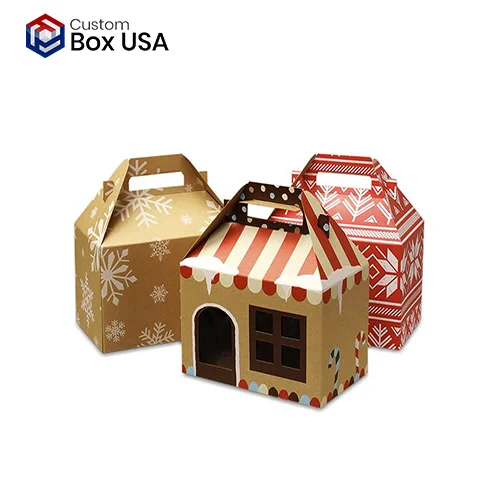
Gable Boxes
Trench your old boxes since they are not catchy. Gable boxes are the finest qual...
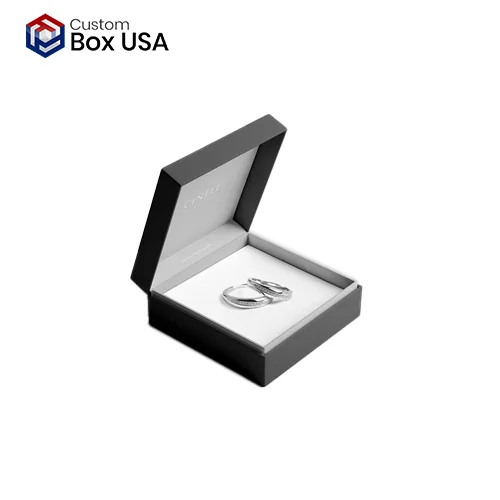
Jewelry Boxes
Jewelry boxes with exotic designs and classy patterns enable cosmetic brands to...
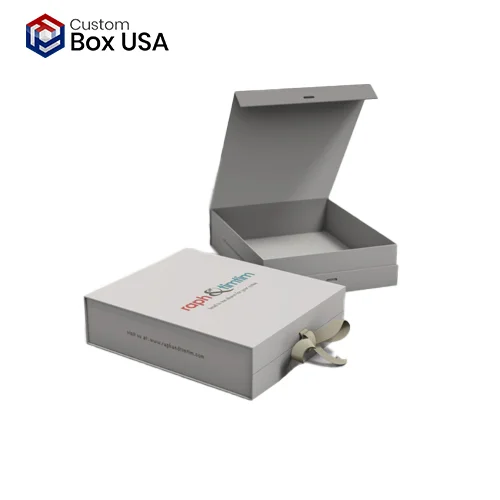
Apparel Boxes
Apparel boxes have been used by well-known boutiques that sell expensive clothes...
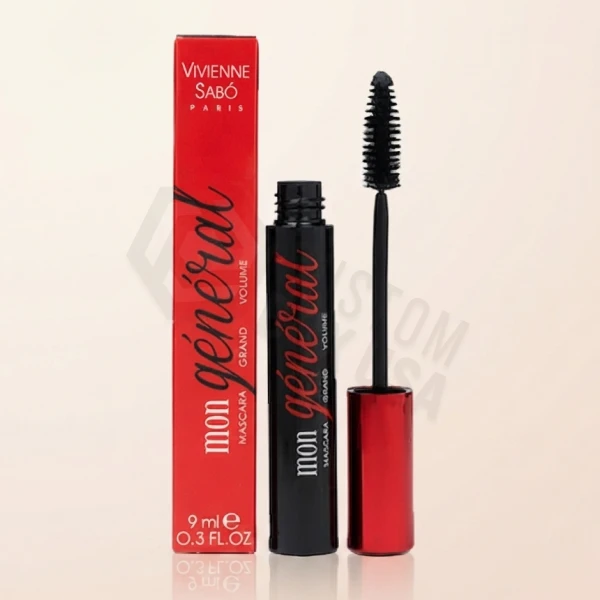
Mascara Boxes
Mascara boxes with much flair will do wonders for your business and the spirits...

Folding Boxes
Custom folding boxes are the ultimate choice if you need to display your product...